defining leather grades what global b2b buyers need to know
Craftsmanship & Quality

Defining Leather Grades: What Global B2B Buyers Need to Know

In the world of global manufacturing and retail, the term ‘leather’ is broad, encompassing materials of wildly varying quality, durability, and cost. For a B2B buyer sourcing products globally, understanding the distinction between leather grades is arguably the most crucial step in the quality control process. The grade you choose dictates your product’s lifespan, aesthetic appeal, price point, and market positioning. Here at Pelnoir, we champion transparency. We believe every global partner should know exactly what they are purchasing. Let’s break down the essential grades of leather, moving from the highest quality to the most processed, so you can make informed decisions for your brand. 1. Full-Grain Leather: The Pinnacle of Quality Full-Grain Leather represents the highest standard of leather quality available globally. It is made from the outermost layer of the hide, just beneath the hair, and has not been sanded, buffed, or snuffed to remove natural marks or imperfections. Key Characteristics: B2B Application: Ideal for luxury goods, premium briefcases, high-end furniture, and products where longevity and status are paramount. Choosing Full-Grain is a statement of enduring quality for your brand. 2. Top-Grain Leather: The Workhorse of the Industry Top-Grain Leather is the second-highest quality leather. It is also taken from the top layer of the hide (the Full-Grain layer), but its surface has been lightly sanded or buffed to remove minor imperfections and give it a more uniform look. It is then often finished with a pigmented coating. Key Characteristics: B2B Application: This grade is highly popular worldwide for wallets, handbags, mid-to-high-end footwear, and products where durability, a refined finish, and cost efficiency must be balanced. 3. Genuine Leather: Understanding the Trade-Offs When a product label simply states Genuine Leather, it technically means the product is made of real leather, but it refers to a much lower quality and is often heavily processed. This grade is made from the layers of the hide that remain after the Full-Grain and Top-Grain layers have been separated. Key Characteristics: B2B Application: Genuine Leather is used for high-volume, cost-conscious products where the material must still technically be ‘real leather’ but primary durability and longevity are not the main concerns. It offers the lowest cost of the three main grades. Why Leather Grades Matter for Global Sourcing As a global B2B buyer, knowing the difference between these leather grades protects your investment and ensures brand integrity. Leather Grade Source Layer Surface Treatment Durability Patina Development B2B Price Point Full-Grain Top Layer None (Natural) Highest Excellent (Deep Patina) Premium Top-Grain Top Layer Lightly Sanded/Coated High Minimal Patina Mid-to-High Genuine Inner Layers Heavily Processed/Coated Moderate/Low Wears Down Economic Partnering with a transparent manufacturer like Pelnoir allows you to specify the exact grade needed for your market, ensuring consistency in quality and meeting global customer expectations. We help you navigate these specifications so your final product perfectly matches your vision, whether you require the rugged luxury of Full-Grain or the uniform consistency of Top-Grain. For more insights, be sure to check out our other blog posts: Ready to define the leather quality for your next collection? Contact the Pelnoir team today to discuss your material specifications and global sourcing needs.

sustainable leather demand driving ethical choices in the global market
Leather Business Trends

Sustainable Leather Demand: Driving Ethical Choices in the Global Market

The global leather industry is experiencing a profound transformation, driven by an undeniable shift in consumer priorities. Today, sustainable leather demand is not just a niche preference; it’s a powerful force reshaping sourcing, manufacturing, and retail strategies worldwide. B2B buyers are increasingly recognizing that ethical choices and environmental responsibility are no longer optional but essential for long-term success and brand reputation. At Pelnoir, we stand at the forefront of this movement, integrating responsible practices into every stage of our leather manufacturing process. This guide explores why sustainability has become a critical driver in the global leather market and what it means for your business. The Rise of the Conscious Consumer: Why Sustainability Matters Modern consumers, across all global regions, are more informed and conscientious than ever before. They are not only seeking high-quality products but also demanding transparency about how those products are made. This growing awareness translates directly into sustainable leather demand, influencing purchasing decisions based on: Brands that ignore these shifts risk alienating a significant and growing portion of the global market. Defining Sustainable Leather: More Than Just “Green” True sustainable leather demand encompasses a holistic approach, moving beyond simple buzzwords to embrace verifiable practices across the entire supply chain. 1. Ethical Sourcing of Raw Hides This begins at the very source: the animals. Ethical leather sourcing means ensuring hides are by-products of the meat industry, minimizing waste, and that animal welfare standards are adhered to. Traceability back to farms is a key component. 2. Eco-Friendly Tanning Processes The tanning stage is crucial for reducing environmental impact. Sustainable practices here involve: * Reduced Water Usage: Implementing technologies that drastically cut down on water consumption. * Responsible Chemical Management: Utilizing safer, less toxic chemicals or developing innovative, eco-friendlier alternatives. Our detailed blog on Vegetable vs. Chrome Tanning offers further insight into method comparisons. * Waste Treatment: Robust wastewater treatment facilities to neutralize harmful by-products before discharge. 3. Energy Efficiency & Waste Reduction in Manufacturing Sustainable factories strive to minimize their carbon footprint through renewable energy sources, energy-efficient machinery, and comprehensive waste reduction and recycling programs for scraps and off-cuts. 4. Fair Labor Practices Beyond environmental concerns, responsible leather manufacturing also involves guaranteeing fair wages, safe working conditions, and respect for human rights throughout the production process. This commitment to social sustainability is non-negotiable for truly ethical brands. Pelnoir’s Commitment to Global Sustainable Leather Production At Pelnoir, our commitment to meeting sustainable leather demand is woven into the fabric of our operations. We understand that our global B2B partners need assurance, and we provide it through: Why Prioritizing Sustainability Boosts Your Brand Globally For B2B buyers, integrating global sustainable leather into your product lines isn’t just about compliance; it’s a strategic advantage: Partner with Pelnoir for Ethical Leather Sourcing The shift towards ethical and eco-friendly leather production is not a passing fad; it is the future of the industry. By partnering with Pelnoir, you gain access to a manufacturer that not only delivers exceptional quality but also shares your commitment to responsible sourcing and sustainable practices. Are you ready to meet the evolving sustainable leather demand and build a brand that truly stands for ethical choices in the global market? Let’s collaborate to craft leather goods that are beautiful, durable, and responsibly made for a better global future. Disclaimer: Pelnoir is committed to continuous improvement in sustainable practices. This article reflects current industry trends and our ongoing efforts.

the art of tanning understanding vegetable vs. chrome for global quality
Craftsmanship & Quality

The Art of Tanning: Understanding Vegetable vs. Chrome for Global Quality

The journey of a raw hide transforming into a luxurious, durable leather product is a marvel of ancient craft and modern science. At the heart of this transformation lies the leather tanning process, a critical step that defines the leather’s character, durability, and eventual global quality. For B2B buyers worldwide, understanding the primary tanning methods—vegetable versus chrome—is key to making informed sourcing decisions that align with their brand’s vision and product requirements. Here at Pelnoir, we master both techniques, meticulously choosing the right process to achieve the desired properties for your specific product needs. Let’s delve into these two fundamental methods and compare their unique characteristics. What is Leather Tanning and Why Does it Matter? Tanning is essentially the process of treating animal hides to prevent decomposition and make them durable, flexible, and resistant to water. Without tanning, hides would simply putrefy. This ancient art has evolved, but its purpose remains the same: to create a stable, beautiful, and long-lasting material that can be crafted into products of value. The choice of leather tanning process is a foundational decision that directly impacts the final product’s attributes. It is not merely a technical step, but a strategic one that influences: Vegetable Tanning: The Traditional, Time-Honored Craft Vegetable tanned leather is the oldest and most traditional tanning method, dating back thousands of years. It relies on natural tannins found in the bark, leaves, and fruits of various trees and plants, such as oak, chestnut, and mimosa. The process is a slow and deliberate one, often taking several weeks to months, as hides are submerged in large vats of increasingly concentrated tannin solutions. This method requires a high degree of skill and patience. The result is a material revered for its rich, earthy tones and its firm structure. Vegetable-tanned leather develops a beautiful patina over time, darkening and softening with use to tell a unique story. It’s often used for premium goods where this aging process is a desired characteristic, such as high-end belts, wallets, briefcases, and custom-made footwear. Due to its use of natural components, vegetable tanning is often seen as a more environmentally friendly option, aligning with the values of eco-conscious global brands. Chrome Tanning: The Modern, Fast-Paced Method In contrast to the slow process of vegetable tanning, chrome tanning is the most widely used and efficient method in the modern leather industry, accounting for approximately 80% of all leather produced globally. This process uses a solution of trivalent chromium salts to tan the hides, a method that was first developed in the mid-19th century. The chemical reaction is significantly faster, often taking less than a day to complete. The key benefits of chrome-tanned leather are its unparalleled softness, flexibility, and a wide array of vibrant, uniform colors. It is highly resistant to water, heat, and staining, making it ideal for products that require a high degree of durability and colorfastness. This includes automotive interiors, furniture, apparel, and many types of everyday accessories and fashion goods. Its speed and lower production costs make it a viable option for large-scale, international manufacturing. Which is Right For Your Global Brand? Choosing between vegetable and chrome tanning depends entirely on your product’s purpose and your brand’s values. There is no single “better” option; there is only the right option for your specific needs. Feature Vegetable-Tanned Leather Chrome-Tanned Leather Process Speed Slow (weeks to months) Fast (less than 1 day) Feel & Structure Firmer, more structured Softer, more pliable Durability Very durable, rigid Highly durable, flexible Appearance Rich, earthy tones; deepens with age (patina) Wide range of vibrant, uniform colors Aging Develops a beautiful, unique patina over time Maintains a consistent look over time Common Uses Belts, wallets, luxury bags, footwear Apparel, furniture, car seats, fashion accessories Cost Higher due to time and labor Lower due to efficiency and speed At Pelnoir, we believe that understanding these differences is a crucial step for any global business seeking to source quality leather goods. Our commitment is to provide a transparent manufacturing process and partner with you to select the ideal tanning method that ensures your products meet the highest standards of quality, aesthetics, and sustainability. For an in-depth look at starting your own brand, check out our guide on Private Label Leather. By combining the traditional artistry of Pakistan’s leather heritage with modern, efficient practices, we deliver a product that is not just a material, but a testament to a thoughtful and expert manufacturing process.

the first order a practical guide to starting a sourcing partnership with pelnoir
B2B Leather Insights

The First Order: A Practical Guide to Starting a Sourcing Partnership with Pelnoir

Taking the leap to place your first B2B order with a new manufacturing partner, especially internationally, can feel like a significant step. Concerns about communication, quality, and reliability are natural. At Pelnoir, we understand these apprehensions, and that’s precisely why we’ve designed a transparent, streamlined process to make your initial experience seamless and stress-free. This guide will walk you through every step of establishing a successful leather sourcing partnership with us. From your initial idea to the final delivery, we ensure clarity, quality, and efficiency for your brand’s journey. Stage 1: Initial Contact & Needs Assessment – Bringing Your Vision to Life Our partnership begins with a simple conversation. This crucial first stage is all about understanding your needs and ensuring we’re perfectly aligned. What to Expect First, reach out to our team via our website or email. We’re here to listen. Expect a prompt response and a dedicated contact person who will guide you. What You’ll Need To expedite the process, it helps to have some initial thoughts ready: This initial exchange helps us grasp your vision and lay the groundwork for a successful collaboration. Stage 2: Quotation & Partnership Agreement – Clear Expectations, Solid Foundation Once we understand your needs, we move to the financial and formal aspects of our partnership. Transparency and clear terms are paramount for a healthy B2B manufacturing partnership. The Detailed Quotation Next, our team will prepare a comprehensive quotation based on your specifications. This will include: We ensure every cost is clearly itemized, with no hidden fees, so you have full clarity from the outset. The Formal Agreement Following the quote, we’ll establish a straightforward partnership agreement. This document outlines: This agreement protects both parties and sets clear expectations for our collaborative journey. Stage 3: The Sample & Quality Assurance Phase – Precision Before Production Before full-scale production begins, we prioritize a critical step: sample creation. This ensures that the final product perfectly matches your vision and Pelnoir’s high standards. The Prototype in Your Hands We will craft a prototype of your specific product. You’ll receive this sample for a thorough review. This is your opportunity to: Rigorous Quality Control Even before full production, the sample undergoes Pelnoir’s strict quality checks. Furthermore, throughout the main manufacturing process, our dedicated team performs continuous inspections at every stage—from cutting and assembly to finishing and packaging. Our commitment to excellence means your wholesale leather goods order will consistently meet the highest standards. Stage 4: Production & Order Management – Crafting Your Collection With your sample approved, we proceed with the efficient and skilled manufacturing of your first B2B order. Expert Manufacturing Our skilled artisans, leveraging generations of expertise in Pakistan, meticulously handcraft each item. We combine traditional techniques with modern efficiency to ensure precision and consistent quality across your entire order. Proactive Communication Throughout the production cycle, expect regular updates from your dedicated Pelnoir contact. We believe in open and transparent communication, keeping you informed about progress and proactively addressing any potential issues. You’ll always know the status of your order. Stage 5: Final Delivery & Ongoing Support – Your Success is Our Priority The journey culminates with the safe and timely arrival of your leather collection, but our partnership extends beyond delivery. Seamless Logistics Building on our expertise in international logistics for leather, we manage the entire shipping process. This includes handling all necessary documentation, customs clearance, and coordinating with trusted carriers to ensure your order reaches your US warehouse efficiently and securely. You can refer to our guide, “Navigating International Logistics: A Seamless Guide for US Leather Importers,” for more details. Post-Delivery Follow-Up Our relationship doesn’t end once your products are delivered. We value long-term partnerships and are always available for feedback, future orders, or any support you may need. Your success is, after all, our success. Start Your Seamless Sourcing Partnership Today! Placing your first B2B order with Pelnoir is a strategic step towards offering premium, custom leather goods to your customers. With our transparent process, unwavering commitment to quality, and dedicated support, you can embark on your sourcing journey with confidence. For more insights into optimizing your operations, explore our other resources: Ready to begin your journey with a trusted partner? Contact Pelnoir today to discuss your needs and start building your custom leather collection. Disclaimer: The information in this article is for general guidance. Specific terms and conditions will be outlined in your partnership agreement.

navigating international logistics
B2B Leather Insights

A Seamless Guide for US Leather Importers

For many US retailers, the idea of importing goods from overseas can seem daunting. The complex world of international shipping, customs, and documentation can create a major barrier. However, when it comes to international logistics for leather, partnering with the right manufacturer can transform this challenge into a seamless process. This guide will demystify the journey of your product, from our workshop in Pakistan to your warehouse in the USA, demonstrating how a strategic partner can ensure a smooth, secure, and efficient supply chain. The Journey of Your Leather Goods: From Pakistan to the USA A successful import isn’t just about a high-quality product; it’s about a well-managed journey. Understanding the key stages gives you peace of mind and allows you to better plan for inventory. Stage 1: The Production & Preparation Phase First, after the manufacturing process is complete, each item undergoes a final quality control check. This step is crucial. Following that, products are carefully packed and labeled according to international standards and your specific requirements. Stage 2: Export Customs Clearance in Pakistan Next, your shipment begins its journey by clearing customs in Pakistan. Your manufacturing partner, like Pelnoir, handles all the necessary export documentation, including: Stage 3: The Transit Phase (Ocean or Air Freight) The choice between ocean and air freight depends on your timeline and budget. While air freight is faster, ocean freight is often more cost-effective for large, heavy shipments. Your partner should manage the booking and tracking, ensuring your goods are on the most efficient route. Navigating US Import Regulations & Customs When the shipment arrives in a US port, it must go through US Customs and Border Protection (CBP). This is where a knowledgeable partner truly proves their worth. Key Documents for US Customs To ensure a smooth process, several key documents are required: Furthermore, products made from domesticated animals like cows and sheep are generally straightforward. However, it’s important to work with a partner who understands all import regulations, especially for specialty leathers, to avoid delays. The Final Mile: Delivery to Your Warehouse Finally, once the shipment clears customs, it is handed over to a domestic carrier. Your logistics partner should track the shipment every step of the way, from the port to your final destination, providing you with real-time updates. This international logistics for leather guide shows that a transparent and reliable supply chain is the key to minimizing risk and maximizing efficiency. Partner with Pelnoir for a Seamless Supply Chain A seamless supply chain begins with a strong partnership. At Pelnoir, we understand that for US retailers, an efficient leather supply chain management system is as important as the product quality itself. We provide end-to-end support, handling all logistical complexities so you can focus on growing your brand. For more insights into the market and a look at future trends, be sure to check out our other blog posts: Ready to simplify your import process and build a more reliable supply chain? Contact us today to learn how we can manage your B2B shipping solutions and help you succeed. Disclaimer: This article is for informational purposes only. For specific legal or customs advice, it is always recommended to consult a licensed customs broker or legal professional.

your brand, our craft
B2B Leather Insights

Your Brand, Our Craft: Create a Private Label Leather Collection

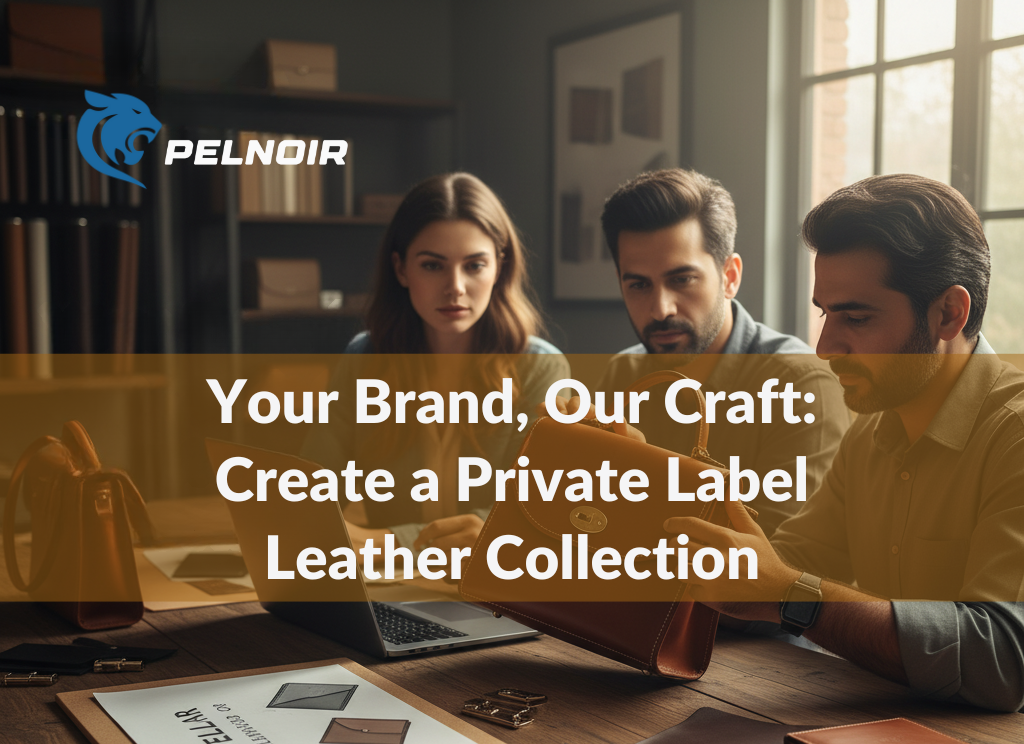
In today’s competitive US retail market, standing out is paramount. Your brand identity isn’t just a logo; it’s the unique story, quality, and exclusivity you offer. This is precisely where a private label leather collection becomes your most powerful asset. Imagine offering high-quality, custom-designed leather goods that are uniquely yours, crafted to perfection and unavailable anywhere else. A private label collection is the ultimate way to create exclusive, high-margin products that resonate deeply with your target audience. At Pelnoir, we specialize in transforming your vision into bespoke leather realities, combining our centuries-old craftsmanship with your distinct brand identity. What is Private Labeling and Why is it Right for Your Brand? Simply put, private labeling involves manufacturing products under your own brand name, using a supplier’s expertise. It’s an increasingly popular strategy for US retailers and fashion businesses, and for good reason. Here’s why a private label leather collection can be a game-changer for your business: The Pelnoir Private Label Process: Your Vision, Our Expertise Creating a private label leather collection might seem complex, but with Pelnoir as your partner, it’s a seamless and collaborative journey. We guide you through every step, ensuring your vision is brought to life with precision and care. Step 1: Consultation & Concept Development First and foremost, we begin with a detailed consultation. We’ll discuss your brand’s ethos, target market, desired products (e.g., handbags, wallets, accessories), material preferences, and any specific design inspirations. Our goal is to fully understand your vision. Step 2: Design & Prototyping Next, our experienced design team translates your concepts into tangible designs. We’ll provide detailed sketches and specifications. Once approved, we move to creating a physical prototype. This allows you to see, feel, and review the product before full production begins. Step 3: Sourcing & Material Selection Choosing the right leather is crucial. We will present you with a range of high-quality Pakistani leathers – from supple cowhide to exotic goat and sheepskins – in various finishes and colors. Similarly, we’ll help select bespoke hardware, linings, and other components to perfectly match your brand’s aesthetic. Step 4: Manufacturing & Quality Control Then, production begins in our state-of-the-art facilities, where skilled artisans meticulously craft each piece. We maintain stringent quality control at every stage, from cutting and stitching to finishing and packaging. Every item must meet both our high standards and your exact specifications. Step 5: Logistics & Delivery Finally, we handle all the complexities of international shipping and logistics. Our team ensures your completed private label leather collection is carefully packed and delivered securely and efficiently to your US warehouse, ready for distribution. Customization Options That Set Your Brand Apart What truly makes a private label leather collection unique are the endless possibilities for customization. With Pelnoir, you’re not just selecting from a catalog; you’re building a distinct product line. The Future of Your Brand is Exclusive and High-Quality The US consumer market has a growing appetite for premium and luxury leather goods. By investing in a private label leather collection, you’re not just buying products; you’re creating a legacy. You’re leveraging Pakistan’s heritage of craftsmanship to offer durable, timeless pieces that elevate your brand’s reputation and appeal. For more insights into the market and a look at future trends, be sure to check out our other blog posts: To further your research on the global leather industry and trade, the Observatory of Economic Complexity (OEC) offers valuable insights. Ready to define your brand’s next signature collection? Contact Pelnoir today to discuss your custom private label needs and begin a partnership that delivers exceptional quality and exclusivity. Disclaimer: The information in this article is based on general industry practices and market analyses. For specific trade data, always consult official sources like the Observatory of Economic Complexity (OEC).

sourcing leather goods from pakistan
B2B Leather Insights

Sourcing Leather Goods from Pakistan: A B2B Guide

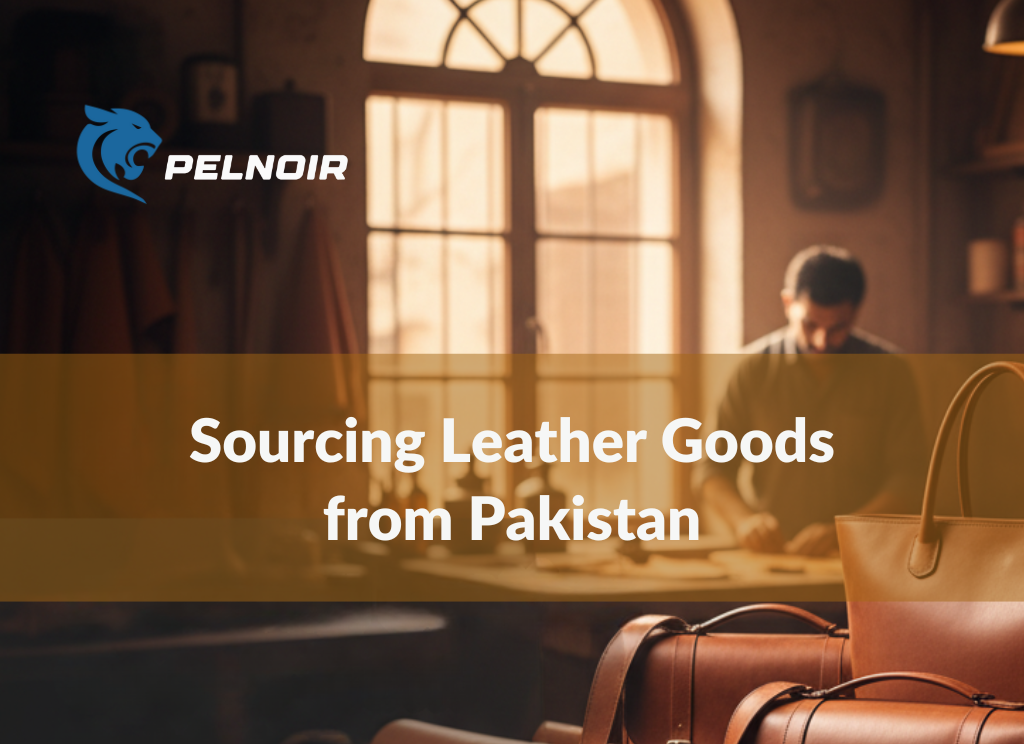
In the fast-paced world of US retail, your supply chain is your greatest asset. It’s the difference between healthy profit margins and lasting brand success. When considering sourcing leather goods from Pakistan, you’re looking at a country where a unique blend of centuries-old craftsmanship and modern manufacturing creates an unparalleled source for premium products. Why Pakistan Is a Global Leader in Leather Sourcing The leather industry in Pakistan has a long and storied history, deeply rooted in the country’s cultural heritage. With an estimated 800 tanneries producing high-quality finished leather from cow, buffalo, goat, and sheep hides, the nation is a significant player on the world stage. In fact, in 2023, Pakistan was ranked as the 4th largest exporter of leather apparel globally, with the United States as its top export destination. The excellence of Pakistani leather is built on three core pillars that set it apart on the global stage: The B2B Advantage: Partnering with a Manufacturer Like Pelnoir When a US retailer partners with a direct B2B manufacturer in Pakistan, the benefits extend far beyond just price. It’s about building a strategic relationship that ensures quality, customization, and reliability. 1. Quality Control from Start to Finish Working directly with a manufacturer gives you unparalleled transparency and control over your product’s quality. At Pelnoir, we oversee every step of the process, from hide selection and tanning to final stitching and finishing. As a result, every item meets your exact specifications and the high standards your brand promises. 2. Customization and Private Labeling In today’s market, brand identity is everything. Sourcing from a partner like Pelnoir means you can easily implement private labeling and custom design requests. Whether you need a specific color, a unique texture, or custom hardware with your logo, we can bring your vision to life. 3. Streamlined Communication & Logistics Navigating international trade can be complex, but a dedicated B2B partner simplifies the process. A reliable manufacturer will handle everything from production timelines to international shipping logistics, providing a seamless experience and a steady supply chain. Your Next Steps: A Guide to Sourcing Leather Goods Ready to elevate your inventory with high-quality leather goods from Pakistan? Here’s a simple roadmap to get started: The Future of Your B2B Business is Handcrafted and High-Quality The US leather goods market is on a growth trajectory, with a strong demand for premium and luxury products. By sourcing leather goods from Pakistan, you are not just acquiring a product; you are getting a piece of heritage and expert craftsmanship that will set your brand apart. For more insights into the market and a look at future trends, be sure to check out our other blog posts: To further your research on the global leather industry and trade statistics, consider resources like the Observatory of Economic Complexity (OEC) or a reputable industry report. Ready to build your brand’s next signature collection? Contact us today to discuss your custom needs and start a partnership that delivers quality. Disclaimer: The statistics in this article are based on recent market analyses and trade reports, including data from the Observatory of Economic Complexity (OEC).

top 5 leather trends in 2025 that us retailers can't ignore
Leather Business Trends

Top 5 Leather Trends in 2025 That US Retailers Can’t Ignore

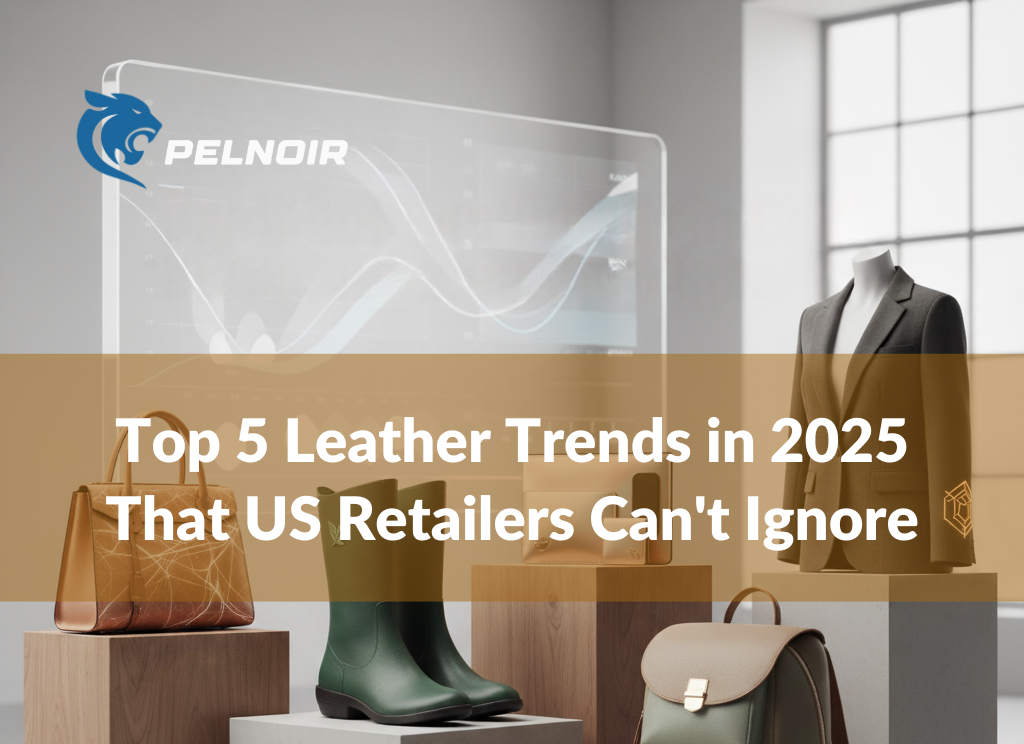
Introduction Leather trends 2025 are reshaping the US retail landscape. Retailers that recognize these shifts early grow faster and capture loyal buyers. At Pelnoir, we track these movements closely so B2B partners can stay ahead. 1. Sustainability Becomes Non-Negotiable Firstly, conscious buying is shaping retail. According to a report by Grand View Research, the US leather and fur market continues to grow, driven by premium eco-friendly products. 2. Crossbody Bags and Minimal Wallets Lead Accessories Secondly, practical and minimal designs dominate. Consumers in the US want bags and wallets that are versatile and compact. 3. Leather Jackets Evolve: Varsity and Oversized Cuts Thirdly, outerwear is back in the spotlight. Varsity jackets and oversized cuts are predicted to lead the market in 2025. 4. Private Label Leather Goods Gain Ground Moreover, US retailers are using private label to strengthen brand identity. Handmade leather is perfect for this. 5. Traditional Craft Meets Modern Design Finally, craftsmanship still wins. But in 2025, the winning formula is blending artisan skills with modern design. External link: US Leather Goods Market Report. Conclusion In summary, 2025 is about sustainability, usability, and private-label growth. Retailers that embrace these leather trends strengthen their position in a competitive US market. CTA: Looking for private-label leather products or wholesale collections in line with 2025 trends? Pelnoir offers jackets, bags, wallets, and accessories tailored for B2B buyers. 👉 Contact Our B2B Team | WhatsApp +92 371 1011703

why handmade leather is the future of b2b retail
B2B Leather Insights

Why Handmade Leather Is the Future of B2B Retail?

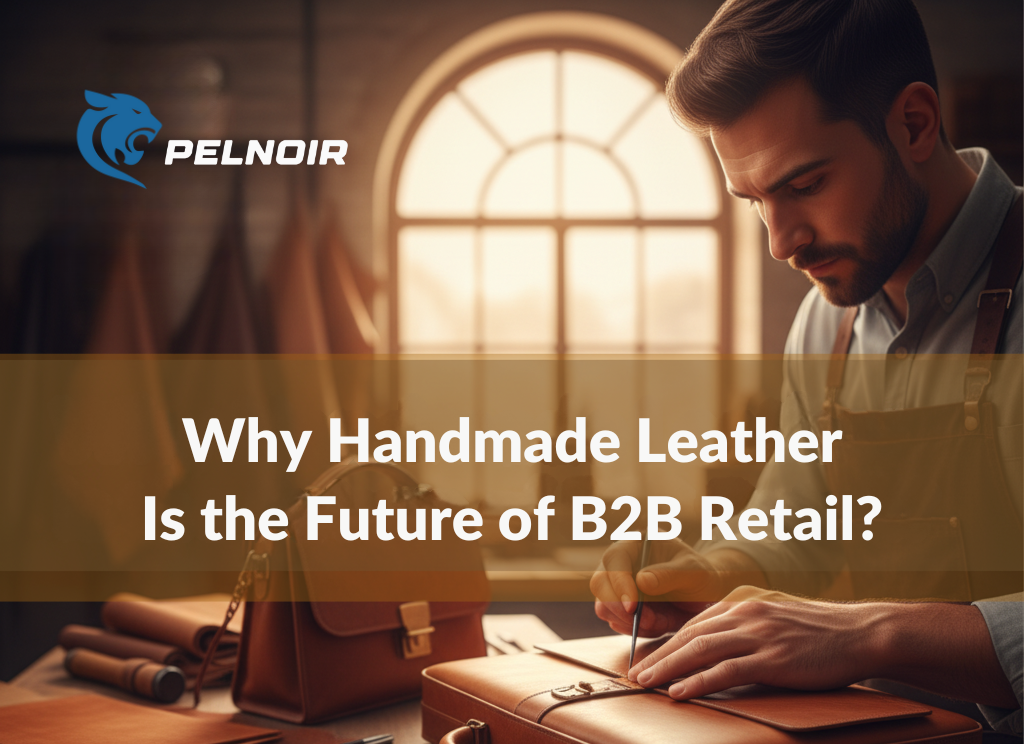
Introduction Consumers now demand products that are real, durable, and responsibly made. Therefore, retailers must respond. Handmade leather checks these boxes. Moreover, it gives retailers a clear market advantage. 1. Demand for Authentic & Sustainable Products Firstly, buyers want authenticity. They want items that tell a story. Consequently, handmade leather performs well because it is unique and long-lasting. “industry trend report” — see external link. 2. Quality That Justifies Premium Prices Short fact: handmade leather lasts longer. For example, a stitched leather bag outlives a fast-fashion bag by years. Therefore, retailers can charge premium prices and improve margins. 3. Differentiation & Private Label Opportunities Moreover, no two handmade pieces are identical. As a result, private-label programs become powerful. Retailers can brand small, exclusive runs. 4. Low MOQ and Scalable Supply Additionally, suppliers like Pelnoir offer flexible MOQs. This helps retailers test SKUs before scaling. Therefore, you can start small, reduce inventory risk, and scale when items sell. 5. How US Retailers Win Finally, adopt handmade lines to target premium shoppers. For B2B buyers, this means higher ASPs, stronger loyalty, and fewer returns. If you want to pilot a collection, contact us. Conclusion In short, handmade leather is not a niche — it’s strategic. Consequently, retailers who act now capture premium demand. Ready to start? Contact Pelnoir for private-label, low-MOQ samples, and production timelines.

Scroll to Top